When Predator Control Becomes a Band-Aid
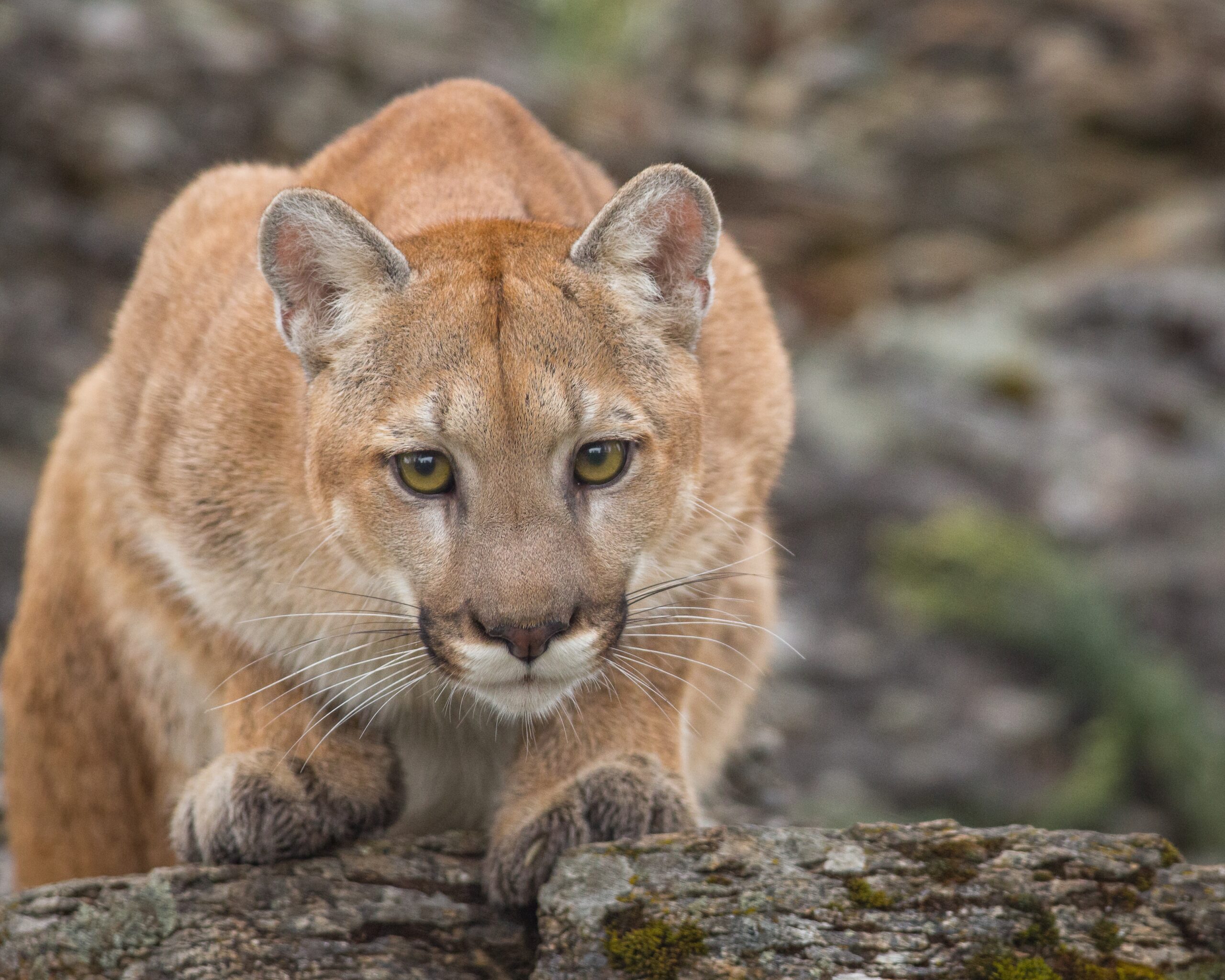
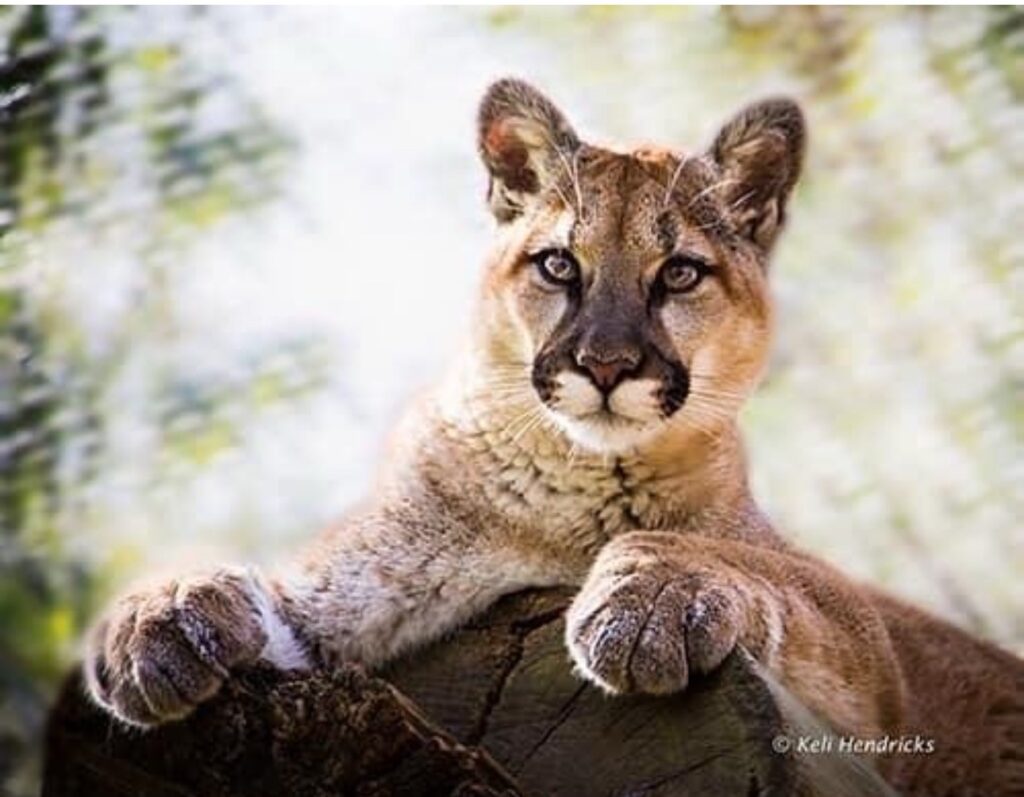
Recent reports that California has authorized the killing of mountain lions to protect endangered Sierra Nevada bighorn sheep have reignited a familiar debate: Should predators be removed to save vulnerable prey?
At first glance, the answer can feel urgent and straightforward. When a small, struggling herd loses animals to predation, lethal removal may appear to offer immediate relief. But decades of ecological research suggest this approach treats a symptom, not the underlying disease — and may ultimately undermine the very ecosystems conservation seeks to protect.
Predators Are Rarely the Root Cause
Mountain lions, wolves, coyotes, and other native predators are often described as the cause of prey declines. In reality, they are almost always the proximate cause — the final link in a long chain of stressors.
The ultimate causes of prey population declines are overwhelmingly human-driven:
habitat loss and fragmentation, roads and fencing that block movement, energy and timber development, climate-driven drought and warming, disease, and invasive species. When prey populations are already weakened by these pressures, even natural levels of predation can push them closer to collapse.
Removing predators without addressing those root causes may buy time — but it doesn’t change the conditions that made the prey vulnerable in the first place.
What Happens When Predators Are Removed
Long-term predator suppression doesn’t just affect the predator. It reshapes entire ecosystems.
Scientific studies show that removing apex predators can alter prey behavior, increase pressure on vegetation, release smaller predators, and disrupt nutrient cycles. These changes ripple outward, reducing ecosystem stability and resilience — especially in landscapes already stressed by climate change and human development.
Healthy ecosystems depend on functional predator–prey relationships, not their absence.
What the Science Tells Us
Across North America, the pattern is strikingly consistent:
- Mule deer declines track drought and habitat quality, not predator abundance
- Woodland caribou declines follow industrial fragmentation, not wolf presence
- Pronghorn fawn survival is limited by fences and roads, not coyotes
- Salmon populations collapse due to dams and warming rivers, not sea lions
Again and again, predator removal addresses the visible loss — but leaves the underlying drivers untouched.
A Different Path Forward
If species like the Sierra Nevada bighorn sheep are to recover for the long term, conservation must focus on healing the landscape: restoring habitat, improving connectivity, reducing fragmentation, and protecting the ecological processes that allow wildlife to adapt and persist.
Predator control may appear decisive. But lasting recovery — for prey and predators — comes from restoring ecosystems, not simplifying them.
The question facing California isn’t whether wildlife managers can remove predators. It’s whether we are willing to confront the deeper, harder work required to ensure that native species can survive together — wild, connected, and resilient.