

Welcome to the latest edition of America’s Lions Share, your monthly update on the stories, science, and people shaping the future of mountain lion conservation.

Mountain lions in Southern California and along the Central Coast are facing a pivotal moment.
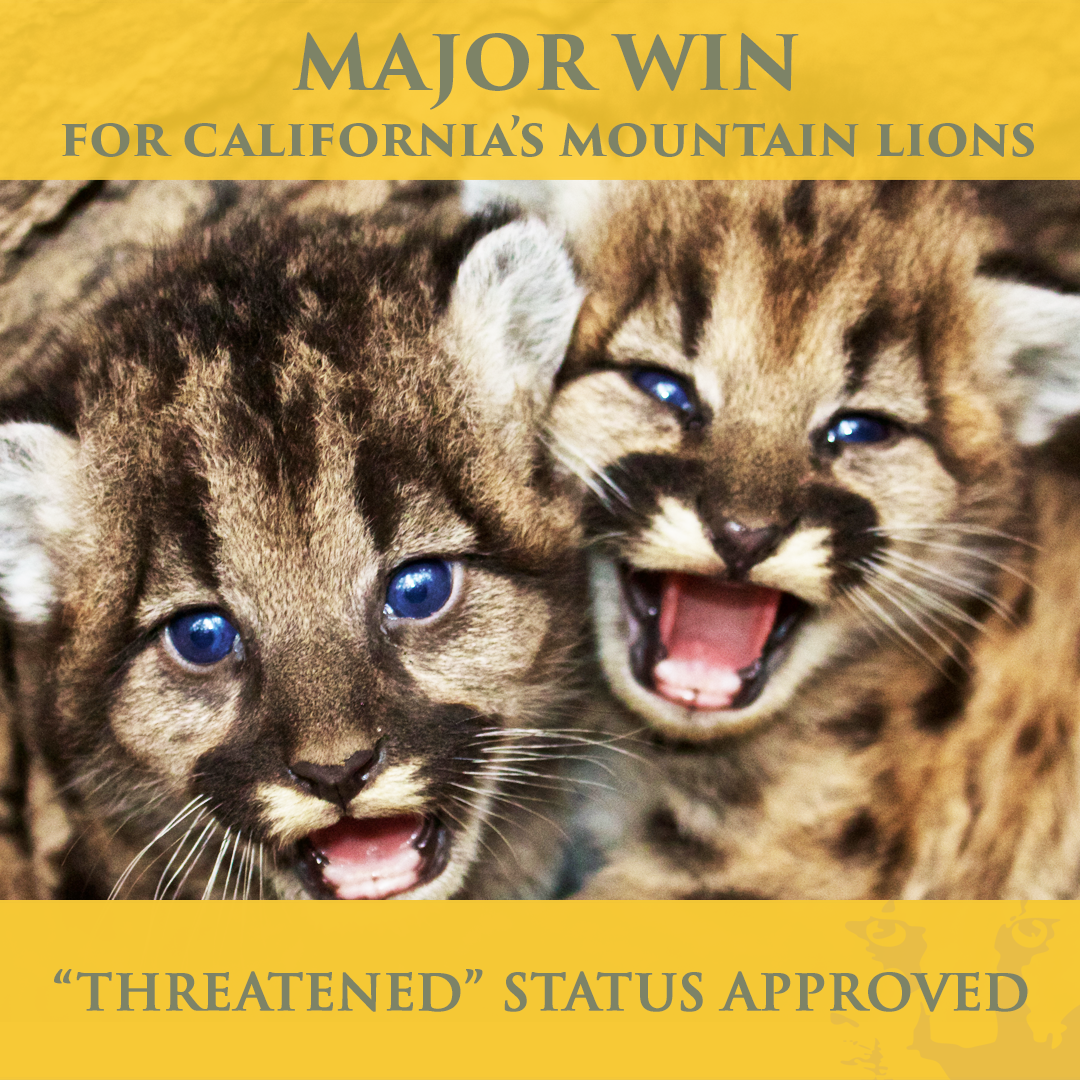
After years of scientific research into population health, habitat fragmentation, and emerging threats, state wildlife officials are now considering whether these regional populations should be listed as Threatened under California law. The decision reflects growing evidence that some mountain lion populations are becoming smaller, more isolated, and more vulnerable — and that acting now could make a meaningful difference for their future. A long-building, science-driven decision On February 12th, California’s Fish and Game Commission is considering whether mountain lions in the Southern California and Central Coast region should be listed as Threatened under the California Endangered Species Act (CESA). This decision represents the culmination of a multi-year, science-driven process that began with a formal petition in 2019 and led to a comprehensive status review conducted by the California Department of Fish and Wildlife (CDFW). That review, together with public input, now informs a pivotal moment for some of the state’s most vulnerable mountain lion populations.
COEXISTENCE IN ACTION
In a recent article examining record cougar reports in Michigan, MLF Chief Conservation and Advocacy Officer Byron Weckworth was quoted on the broader context behind increased sightings and public awareness. The story highlights how expanding data, better reporting tools, and changing landscapes are shaping the way communities experience and understand large carnivores.
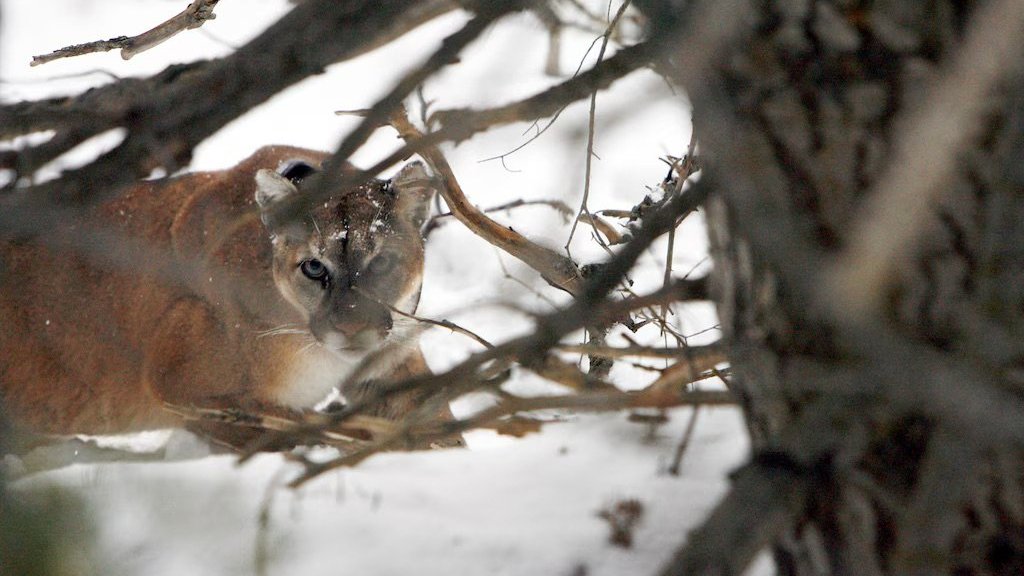
| In this thoughtful Voices commentary from Utah, a sheep producer reflects on living with mountain lions — even after losing livestock to predation. His perspective highlights the complex realities of coexistence on working lands. |
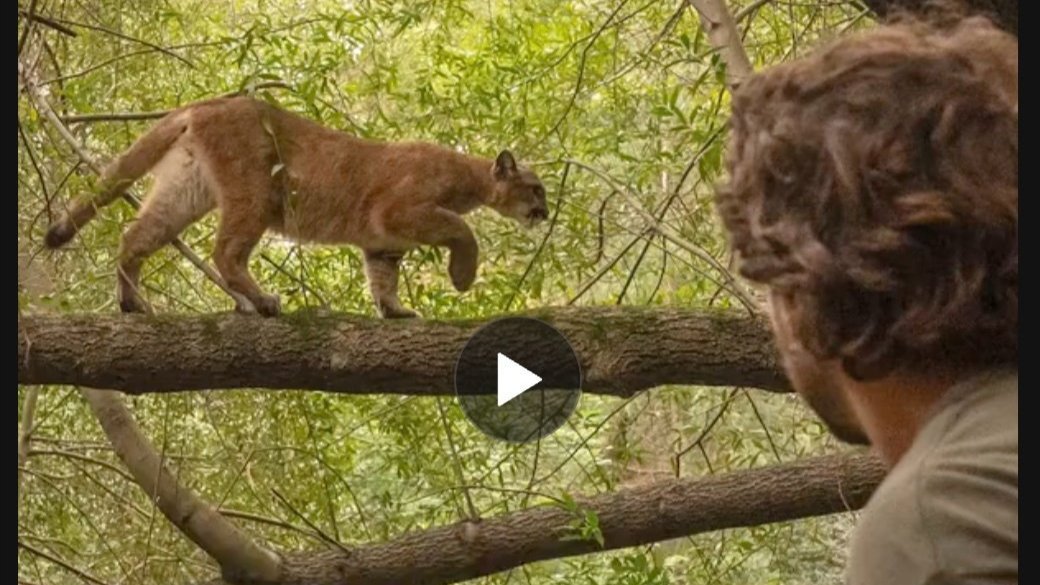
| Subpopulations of mountain lions in California face mounting threats, including habitat fragmentation, and rodenticide poisoning. Loren Elliott, a photojournalist for The New York Times, shows how he documents these elusive animals. |
| Why Facts Matter in the Age of AI Artificial intelligence is playing an expanding role in conservation — from helping scientists analyze vast datasets to improving wildlife monitoring at unprecedented scales. At the same time, AI is reshaping how wildlife is portrayed online. Increasingly realistic images and videos, some authentic and others entirely fabricated, are influencing how people understand animals, their behavior, and the risks they pose. For species like mountain lions, these portrayals matter. Exaggerated or misleading content can quietly reinforce fear, blur the line between evidence and fiction, and shape public attitudes and policy in ways that aren’t grounded in science. The linked essay below explores both the promise and the pitfalls of AI in wildlife conservation, raising important questions about perception, trust, and responsibility. At the Mountain Lion Foundation, our work is guided by facts over fear and science-based conservation — because coexistence depends on informed understanding, especially as new technologies shape how wildlife stories are told. 🔗 Read the Essay |
My Mountain Lion Story – Subscriber Submissions
It was exactly one year since my mother had died, and I was “conversing” with her in Picture Rocks Wash, with my eyes on Wasson Peak in the Tucson Mountains.
Two pale flashes in my left peripheral vision. I said, “Hold on Momma, I need to check this out.” I lowered my view to rest upon the eyes of the most beautiful creature I had ever seen. All I could see was her very large head, peeping from the vegetation approximately 15 feet away from me. Her ears were up and forward, and she looked perfectly calm and curious.
I do not know how long we gazed upon each other, it felt like minutes but may have been mere seconds until I reached down to pick up my little dog.
The mountain lion did not waver in her gaze, and I knew in a way that defies explanation that I had been looking into the eyes of god. Spirit, if you will.
That was 21 years ago and the encounter changed me in ways that reverberate in my heart to this day.
– Alexa Jenks
GET THE NEXT ISSUE IN YOUR INBOX
Don’t miss the latest stories, news, and opportunities to take action for mountain lions. Sign up to receive America’s Lions Share directly in your email.
| 👉 Follow us on Instagram and Facebook to stay connected to the latest rescues, research, and real-world moments of coexistence in action. 👉 Share our posts to help more people see what living alongside wildlife truly looks like. Because when it comes to coexistence, there is no such thing as saying it too often. With gratitude, Ellen C. O’Connell Executive Director Mountain Lion Foundation |

Stand with Mountain Lions – All Year Long
Monthly support gives mountain lions consistent protection when new threats arise. As a Puma Protector, your $5/month helps defend habitat, promote coexistence, and protect wild places for future generations.
→ Become a Puma Protector

 Facebook
 Twitter
 Send Email
Related Posts