
Welcome to the latest edition of America’s Lions Share, your monthly update on the stories, science, and people shaping the future of mountain lion conservation.
California Wildlife Officials Recommend Threatened Status for Central Coast and Southern California Mountain Lions
In a major conservation victory, the California Department of Fish and Wildlife (CDFW) recommended that mountain lions across the Central Coast and Southern California be listed as Threatened under the California Endangered Species Act. This groundbreaking recommendation, if approved by the Fish and Game Commission, would provide critical long-term protections for populations increasingly imperiled by highways, development, and habitat fragmentation.
The Department’s comprehensive status review, released December 9, validates what scientists and advocates have long warned: without immediate intervention, these iconic cats face potential collapse in multiple regions. The recommended protections would safeguard essential habitat, mandate wildlife crossing construction, and restrict the use of anticoagulant rodenticides that poison the food chain.
“This recommendation confirms that California’s mountain lions are in crisis and need our protection now,” said Ellen C. O’Connell, Executive Director of the Mountain Lion Foundation. “From the Santa Monica Mountains to the Central Coast, these populations are being strangled by freeways and development. Today’s decision recognizes that we can’t wait any longer to act.”
California Reopens Debate: Killing Mountain Lions to Save Sierra Nevada Bighorn Sheep
When Predator Control Becomes a Band-Aid
Recent reports that California has authorized the killing of mountain lions to protect endangered Sierra Nevada bighorn sheep have reignited a familiar debate: Should predators be removed to save vulnerable prey?
At first glance, the answer can feel urgent and straightforward. When a small, struggling herd loses animals to predation, lethal removal may appear to offer immediate relief. But decades of ecological research suggest this approach treats a symptom, not the underlying disease — and may ultimately undermine the very ecosystems conservation seeks to protect.
Predators Are Rarely the Root Cause
Mountain lions, wolves, coyotes, and other native predators are often described as the cause of prey declines. In reality, they are almost always the proximate cause — the final link in a long chain of stressors.
The ultimate causes of prey population declines are overwhelmingly human-driven:
habitat loss and fragmentation, roads and fencing that block movement, energy and timber development, climate-driven drought and warming, disease, and invasive species. When prey populations are already weakened by these pressures, even natural levels of predation can push them closer to collapse.
Removing predators without addressing those root causes may buy time — but it doesn’t change the conditions that made the prey vulnerable in the first place.
COEXISTENCE IN ACTION
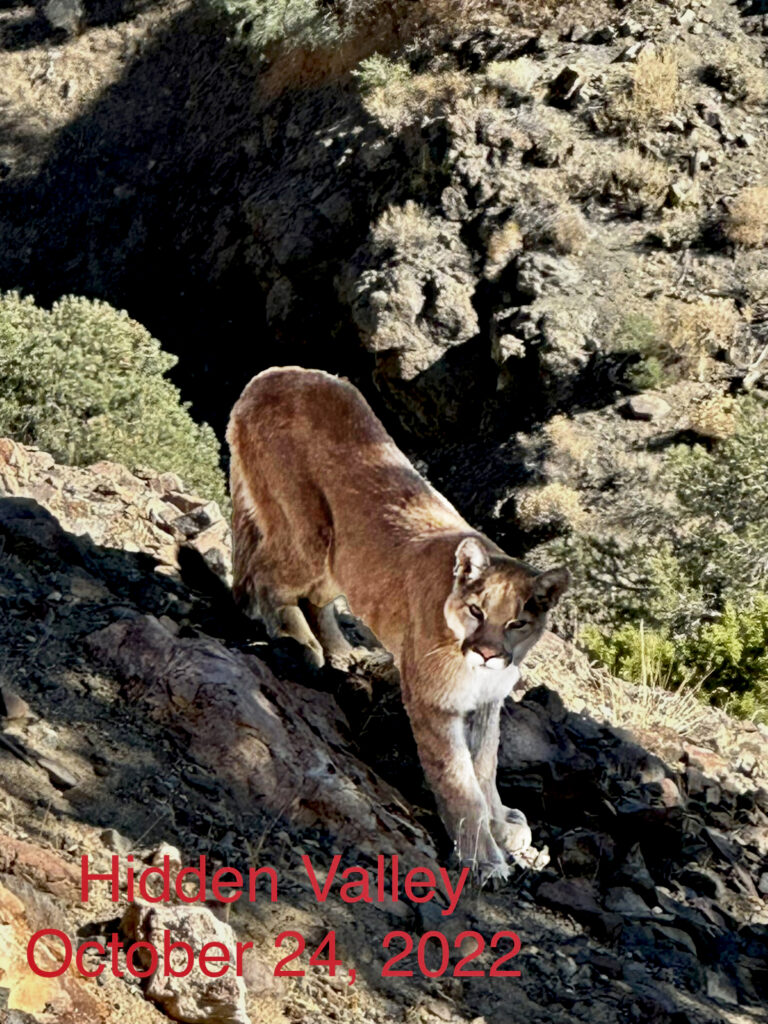

Subscriber Photo Submissions
TELL US YOUR WILD STORY
Do you have a mountain lion sighting, experience, or personal connection you’d like to share? We’re collecting stories from supporters to highlight in future newsletters and outreach. Click the link below to add your voice.
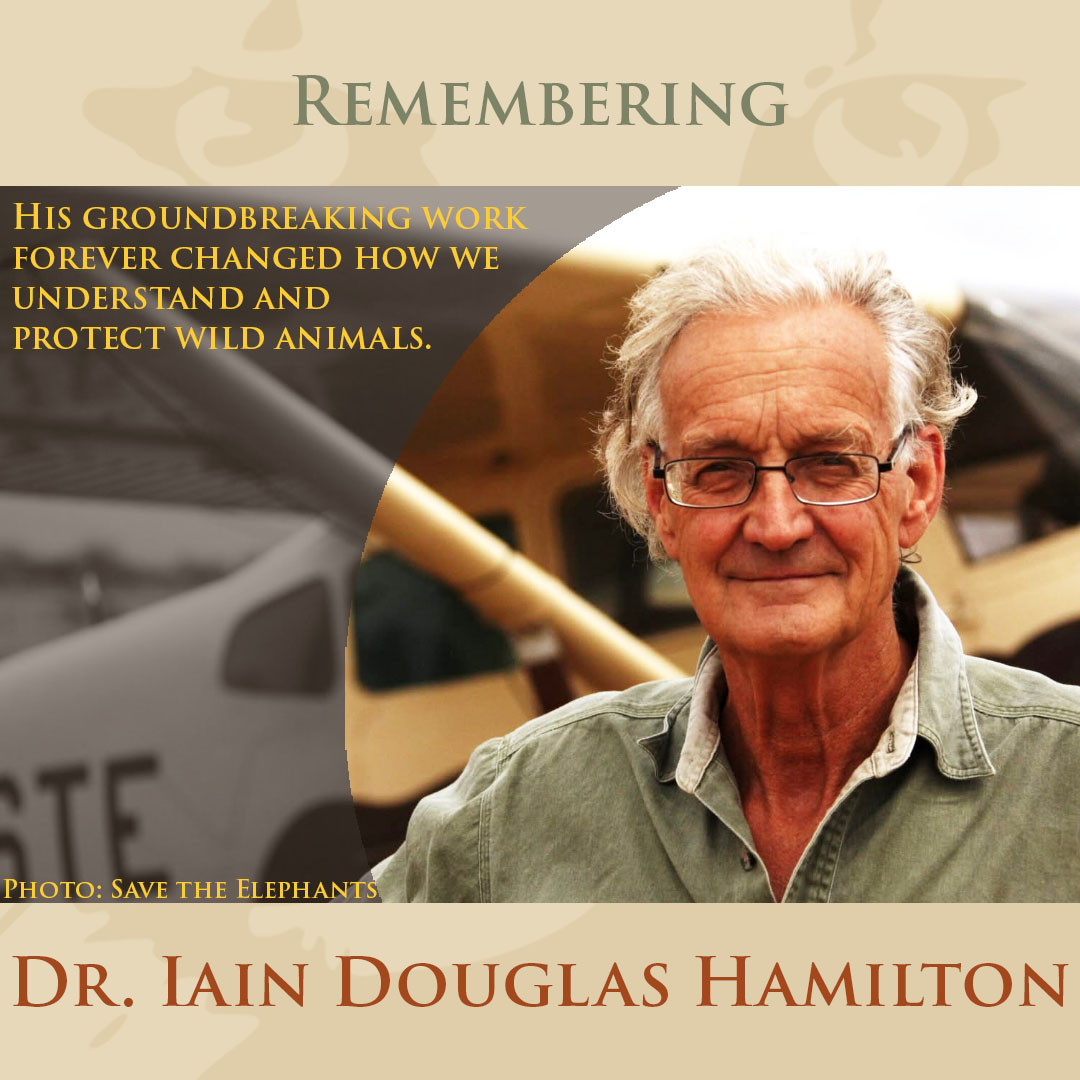
Remembering Dr. Iain Douglas-Hamilton
Earlier this month, the conservation world lost one of its greatest giants. Dr. Iain Douglas-Hamilton—visionary scientist, founder of Save the Elephants, and a pioneer in wildlife research—has passed away, leaving behind a legacy that reshaped global conservation.
Dr. Douglas-Hamilton’s groundbreaking work forever changed how we understand and protect wild animals. His leadership, courage, and relentless curiosity inspired generations of conservationists, including many here at the Mountain Lion Foundation. His life’s work reminds us of what is possible when science, passion, and compassion meet.
We mourn his passing alongside our colleagues around the world and extend our deepest condolences to his family and the Save the Elephants community. His impact will endure in every landscape where wildlife still roams free—and in the work of all who continue the fight he championed.
May we honor him by advancing the mission he dedicated his life to: ensuring a wild and thriving future for the animals who depend on us.
The Season of Living – Wild
| As the year draws to a close, we’re entering a time we hold close at the Mountain Lion Foundation, The Season of Living – Wild. It’s a moment to reflect on what it means for landscapes to remain alive, for wildlife to move freely, and for America’s lion to continue living wild and free. In the days ahead, we’ll be sharing stories of wildness, resilience, and the work ahead to protect mountain lions in 2026. |
GET THE NEXT ISSUE IN YOUR INBOX
Don’t miss the latest stories, news, and opportunities to take action for mountain lions. Sign up to receive America’s Lions Share directly in your email.