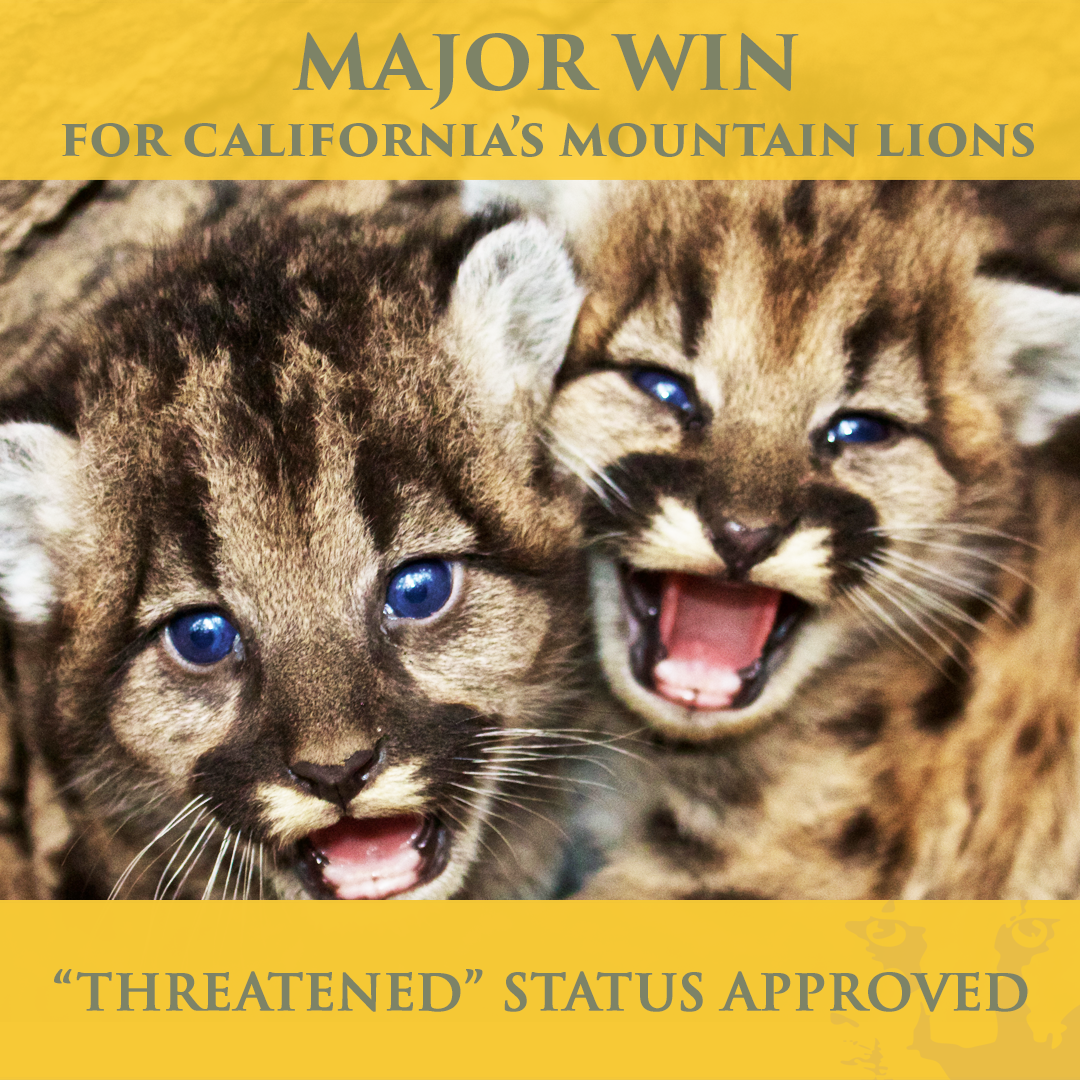
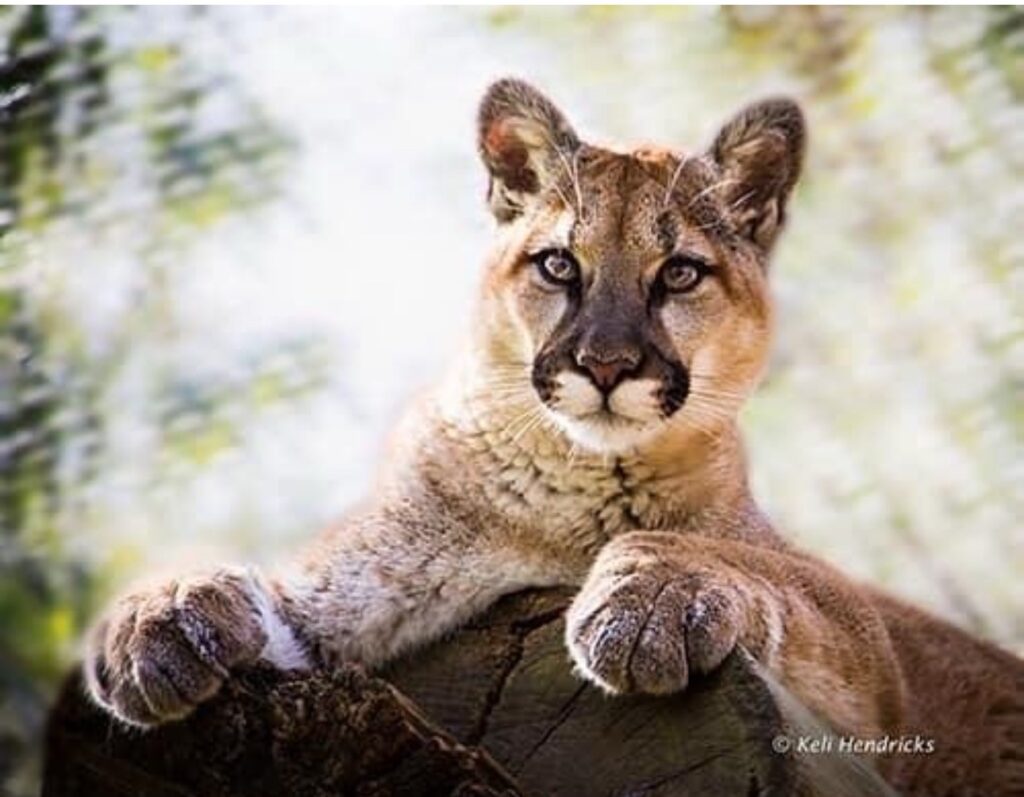
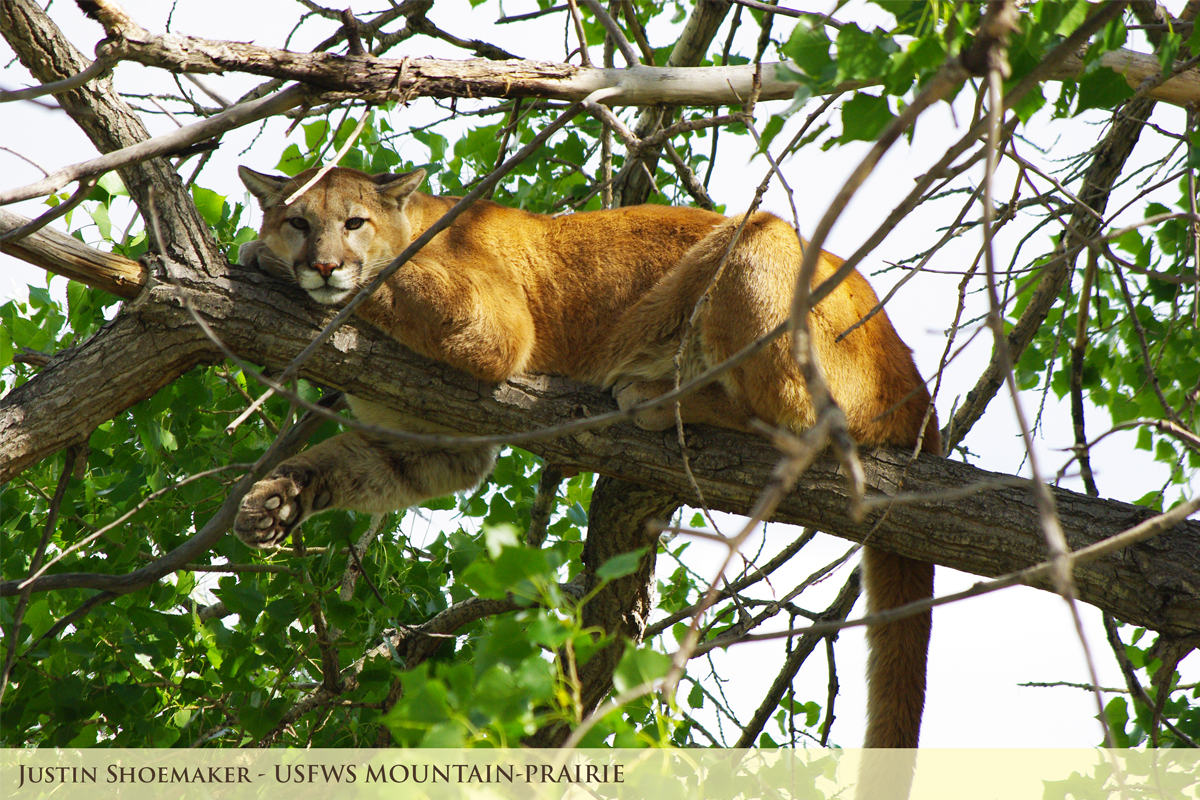
This is a meaningful moment for mountain lions in Southern California and along the Central Coast.
The California Fish and Game Commission voted to grant Threatened Status under the California Endangered Species Act — recognizing mounting scientific evidence that these regional populations face serious and ongoing risks.
Executive Director Ellen O’Connell shared:
“This is a decision rooted in science and foresight. Mountain lions remain an iconic and essential part of California’s natural heritage, but in parts of Southern and Central Coast California, populations have become increasingly fragmented and vulnerable. Acting now gives these lions a better chance at long-term survival.”
This decision follows years of research showing that several populations in the region are small, genetically isolated, and facing compounding pressures from habitat fragmentation, vehicle strikes, rodenticide exposure, wildfire, and human-caused mortality.
Threatened status does not declare crisis — it recognizes warning signs while we still have options.
“Southern and Central Coast mountain lions are not gone, and that is precisely why this moment matters.”
Threatened status will strengthen habitat connectivity planning, reduce preventable human-caused mortality, and support long-term recovery strategies that benefit both wildlife and communities.
This decision demonstrates California’s commitment to science-based stewardship — and to ensuring that future generations inherit a landscape where mountain lions still roam. But this is not the end of the work. It is the beginning of implementation.
Support the Next Phase of Conservation
Thursday’s vote was a critical step — but meaningful protections only work when they are fully implemented.
From advancing wildlife crossings to reducing preventable mortality and strengthening habitat planning, the work begins now. If you’re able, please consider making a one-time gift to help ensure these protections translate into real-world results.
by Byron Weckworth, Chief Conservation and Advocacy Officer
A long-building, science-driven decision
On February 12th, California’s Fish and Game Commission is considering whether mountain lions in the Southern California and Central Coast region should be listed as Threatened under the California Endangered Species Act (CESA). This decision represents the culmination of a multi-year, science-driven process that began with a formal petition in 2019 and led to a comprehensive status review conducted by the California Department of Fish and Wildlife (CDFW). That review, together with public input, now informs a pivotal moment for some of the state’s most vulnerable mountain lion populations.
How the CESA listing process works, and why it matters
CESA is often misunderstood as a tool used only when a species is on the brink of extinction. In practice, it is designed to act earlier than that. When a petition is submitted, the Commission first evaluates whether there is enough credible information to suggest that listing may be warranted. If so, the species becomes a candidate, triggering a full scientific review by CDFW. That review examines population trends, genetics, habitat conditions, threats, and existing management. The resulting recommendation is then released for public comment before the Commission weighs a final decision. Science leads this process, but transparency and public engagement are core features throughout.
What “Threatened” really means
The term threatened can sound more reassuring, or more alarming, than it should. Under CESA, a threatened species is one that is not yet endangered but is likely to become so in the foreseeable future if current conditions persist. It is a recognition of risk, not stability. Listing at this stage acknowledges that real threats are already affecting a population, while also affirming that there is still an opportunity to change course before losses become deeper, more expensive, or impossible to reverse.
Why these populations deserve special attention
This decision is not about mountain lions statewide, nor is it about defining a new subspecies. It is about recognizing that Southern and Central Coast mountain lions function as distinct regional populations shaped by geography and human land use. Freeways, urban development, and fragmented habitat have increasingly limited their ability to move across the landscape. While mountain lions are highly adaptable, their long-term survival depends on connectivity; on being able to disperse, find mates, and maintain healthy genetic exchange. In much of coastal and Southern California, those connections are increasingly constrained.
Fragmentation is only part of the story
Loss of connectivity is the central challenge facing Southern and Central Coast mountain lions, but it does not act alone. Vehicle strikes are a leading cause of mortality in several coastal regions, particularly where highways intersect known movement corridors. Management removals following conflicts with livestock or pets can further destabilize populations by disproportionately removing breeding adults. Less visible, but well documented, is widespread exposure to anticoagulant rodenticides, which move through the food web and weaken immune function, increasing vulnerability to disease and injury. Wildfire, climate-driven shifts in prey, and continued development at the urban-wilderness interface further compound these risks.
What the science is telling us
CDFW’s status review identifies multiple genetically distinct mountain lion populations within the petitioned area, many of them small and partially isolated. While estimates suggest roughly 1,400 lions across the broader petitioned region, the more important finding is how those animals are distributed. Some populations are effectively functioning as islands. Genetic analyses reveal reduced diversity and low effective population sizes, scientific measures that serve as an early warning sign of long-term vulnerability. In several areas, researchers have already documented physical indicators of inbreeding, underscoring that these risks are not hypothetical.
What’s at stake, and what Threatened status makes possible
A Threatened designation does not signal the end of the story, but rather marks a shift in how seriously we need to respond. Listing brings stronger planning requirements, closer scrutiny of development and infrastructure decisions, and greater accountability for reducing preventable human-caused mortality. It creates a framework for addressing habitat connectivity and long-term population health before recovery becomes far more difficult. For mountain lions, it offers a path toward resilience. For people, it reflects a choice to act with foresight and to respond to warning signs while meaningful options still exist.
Help protect the future of California’s mountain lions
Science-based advocacy, policy engagement, and public education make moments like this possible. Your support helps ensure mountain lion conservation decisions are guided by research, transparency, and long-term thinking.
On February 11 or 12,2026, the California Fish and Game Commission will vote on a proposal to list the Central Coast and Southern California mountain lion populations—and their critical habitat—as Threatened under California law. The California Department of Fish and Wildlife supports this action.
This vote represents a key milestone in a process that began in 2019, when the Mountain Lion Foundation and the Center for Biological Diversity jointly petitioned the Commission to protect these imperiled populations. As we shared in our December newsletter, these mountain lions face increasing threats from habitat loss, fragmentation, and isolation—and science clearly shows that stronger protections are urgently needed.
***For California residents (or send to family and friends in CA)***
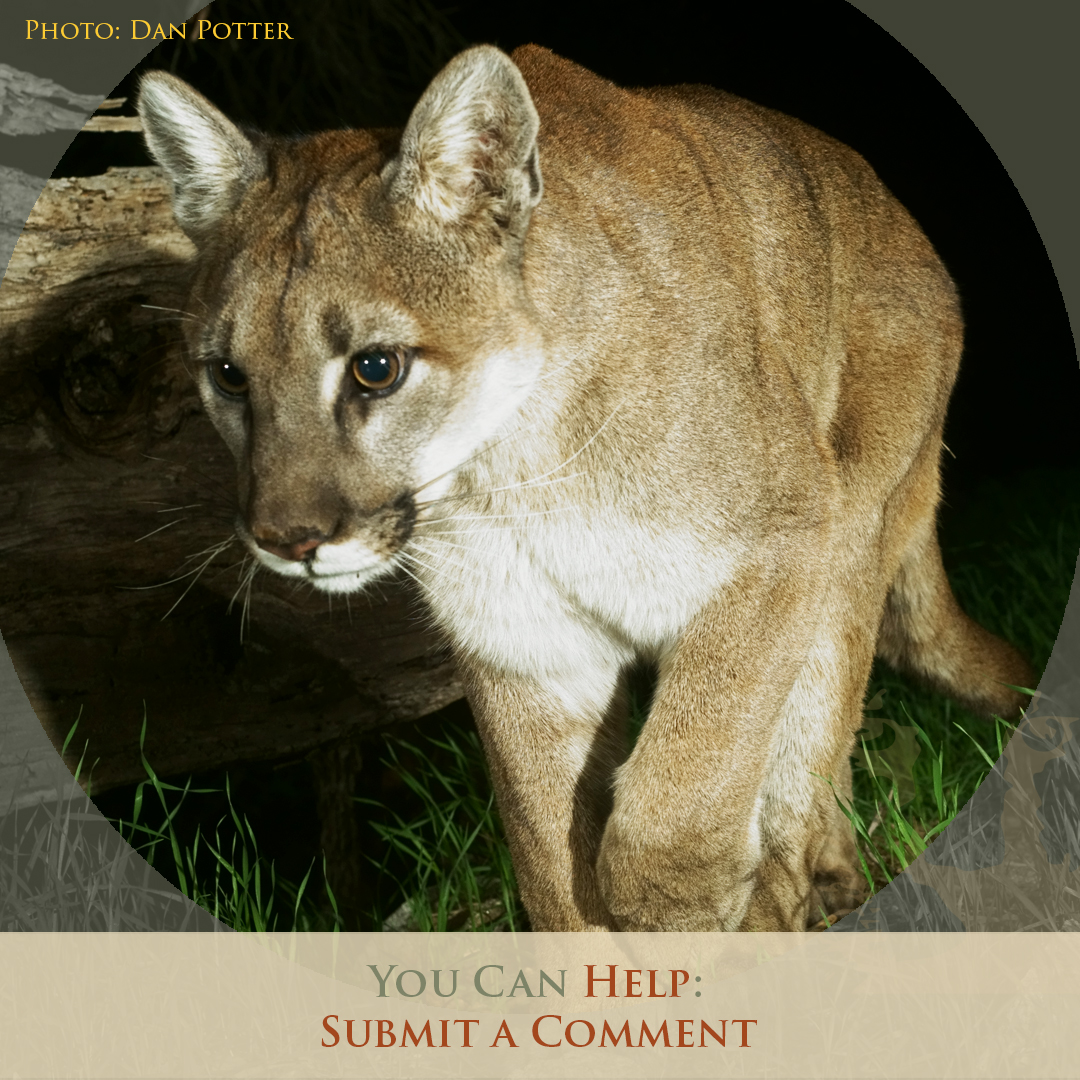
Please submit a public comment urging the Commission to approve the listing and protect the habitat and wildlife corridors mountain lions need to survive.
2. Mail to California Fish and Game Commission, P.O. Box 944209, Sacramento, CA 94244-2090
3. Deliver to California Fish and Game Commission, 715 P Street, 16th floor, Sacramento, CA 95814 (due to security measures at the building entrance it is best to call and confirm staff availability before traveling to the office)
What to say (briefly)
Support listing the Central Coast and Southern California mountain lions as Threatened
Emphasize the importance of protecting critical habitat and wildlife connectivity
Urge the Commission to follow the best available science and CDFW’s recommendation
For the first time in more than a century, cougar cubs have been confirmed alive in Michigan.
In the Upper Peninsula, wildlife officials have verified that a female mountain lion successfully gave birth and raised cubs — a milestone that has not occurred in modern recorded history in the state.
This moment offers a rare glimpse of what’s possible when wild landscapes remain connected — and when mountain lions are given the space to live as they have for millennia.
Why This Moment Matters
For over 100 years, Michigan documented only wandering male mountain lions — animals dispersing east from established populations but unable to create a future.
That’s because female cougars are the limiting factor for recovery.
Females establish territories, raise young, and anchor populations. Their appearance far from existing breeding ranges is extraordinarily rare. The confirmation of a female — and surviving cubs — signals not just movement, but possibility.
This is not chance. It reflects:
the persistence of mountain lions
the importance of intact habitat
the role of landscape connectivity in wildlife recovery
One Female Does Not Make a Population
It’s important to be clear: This does not mean Michigan has a self-sustaining cougar population.
True recovery requires:
multiple females
consistent reproduction over time
long-term survival of young
and wildlife management rooted in science, not fear
This moment is not the finish line.
It is a proof of resilience — and a reminder of what can happen when ecosystems are allowed to function.
A Glimpse of What’s Possible Across Their Historic Range
Mountain lions once ranged from coast to coast.
Michigan’s cubs reinforce a larger truth: Mountain lions can return to parts of their historic range when habitat is protected, connectivity is maintained, and coexistence is prioritized.
From the Great Plains to the Midwest and beyond, recovery remains possible — but only if we make deliberate choices to protect wild places and manage wildlife responsibly.
The Season of Living — Wild
This moment arrives during what we at the Mountain Lion Foundation call The Season of Living — Wild — a time to reflect on resilience, connection, and the living landscapes that sustain us all.
The quiet survival of these cubs is a reminder that the wild world is still alive, still capable of recovery, and still worthy of our care.
How You Can Help Shape the Future of Cougar Recovery
Moments like this don’t happen in isolation. They depend on informed communities, connected landscapes, and science-based decision-making.
You can help by:
Supporting habitat protection and wildlife connectivity
We are deeply saddened by the reported death of a hiker in Larimer County, Colorado. Our hearts are with the woman’s family, friends, and all those affected by this tragic incident.
While mountain lion attacks on people are extremely rare, that reality offers little comfort in moments of loss. Tragedies like these underscore that sharing landscapes with wildlife unfortunately comes with real risks. There are a number of things that we can do to minimize that risk.
Mountain lions are wide-ranging animals that depend on large, connected territories to survive. As development, roads, and outdoor recreation expand into previously wild areas, interactions between people and wildlife can become more likely, not because of individual actions, but because habitats are more fragmented and pressured.
Decades of research show that coexistence and connectivity solutions help reduce risk for both people and wildlife. Wildlife crossings and habitat corridors allow animals to move safely across landscapes without being pushed into closer contact with people. Education, such as understanding mountain lion behavior, knowing how to recreate safely, and learning how to respond during an encounter, also plays a critical role in reducing the already-low likelihood of conflict.
For nearly forty years, the Mountain Lion Foundation has worked to advance science-based approaches that protect people, wildlife, and the landscapes they share. In moments like this, our role is to serve as a resource—offering clear information, practical guidance, and proven tools that support public safety. We maintain a range of coexistence resources for residents, landowners, and communities, including guidance on protecting pets and livestock and reducing conflict in mountain lion habitat.
Through research, education, and community partnerships, we help communities navigate shared landscapes with knowledge, preparation, and long-term solutions.
How Coexistence Reduces Risk
Wildlife corridors & crossings Connected habitats help mountain lions move naturally across landscapes without being forced into roads, neighborhoods, or high-use recreation areas.
Education & awareness Understanding when and where mountain lions are active—and how they behave—helps people avoid risky situations.
Prepared recreation Knowing how to hike, run, or recreate safely in lion country significantly lowers the chance of an encounter.
Science-based management Research shows that indiscriminate killing of predators can disrupt natural behavior and does not reliably improve public safety.
Tips for Recreation in Mountain Lion Country
Hike in groups and stay alert, especially at dawn and dusk
Keep children and pets close
Avoid wearing headphones
Do not approach wildlife
Carry bear spray (it works on cats too)
If you encounter a mountain lion: stay calm, maintain eye contact, yell aggressively, make yourself look larger, and slowly back away
Learn More
Explore practical guidance, safety tips, and conservation solutions at mountainlion.org, including:
Utah’s Cougar Study: A Lethal Program Without Rigorous Science
In December, Utah wildlife officials discussed a proposal that would dramatically increase the intentional killing of mountain lions in six regions of the state.
The proposal seeks to determine whether lethally eliminating large numbers of cougars will increase mule deer populations.
Mountain Lion Foundation is deeply concerned about this proposal because it relies on lethal removal as a management tool. Decades of research across the West show that habitat quality, climate, and migration corridors are the primary drivers of deer numbers, not how many cougars are killed. Utah’s proposal leans on lethal removal despite this body of science and without clear evidence that killing more cougars will achieve its stated goals. We oppose this effort on fundamental principles: wildlife management should be science-based and precautionary, especially when populations are already declining and likelihood of success is uncertain. We are following this issue closely and urging the public to voice their concerns.
Statements from a series of recent public meetings, raise serious concerns.
What Utah Officials Said — In Their Own Words
During the public meetings, official confirmed:
The project would run for at least three years, with the possibility of extension
Cougars are “very difficult to count,” and precise population estimates are uncertain
Unreported mortality, including killing without a tag, is difficult to monitor.
Why This Matters
This project does not appear to meet basic scientific standards and lacks several of the fundamental elements required for credible evaluation.
There are no articulated thresholds that would trigger a pause or reevaluation if cougar populations decline further. There are no defined metrics for what would constitute success or failure. And while deer response is the primary focus, there is no plan to monitor broader ecosystem impacts, including cougar social disruption or increased conflict. Without these components, the state cannot reliably determine whether the intervention is helping, harming, or simply shifting problems elsewhere.
The project is also supported by private funding from sporting organizations whose missions prioritize increased ungulate numbers. While private funding does not automatically invalidate research, predator management is a politically charged arena, which makes independent oversight, transparent evaluation, and clearly defined methods especially important, yet these safeguards appear limited here.
Compounding these concerns is Utah’s acknowledgment that cougar populations are already declining and difficult to estimate with precision. Implementing a high-magnitude, open-ended removal program under such uncertainty introduces substantial population risk without demonstrated likelihood of benefit.
What Science Tells Us
Decades of peer-reviewed research across the West show that intensive predator removal rarely delivers sustained or landscape-scale recovery of prey populations. Instead, it often destabilizes predator populations, leading to younger, transient animals, increased conflict, and little long-term benefit for deer. Studies that do show short-term gains for prey typically involve narrowly targeted, time-limited actions, not broad, open-ended culling across multiple management units.
In most systems, deer populations are driven primarily by habitat quality, drought, winter severity, and migration connectivity, not predator abundance alone. When these underlying factors limit deer numbers, reducing predator populations offers little measurable benefit and can divert attention from the real drivers of decline.
The scientific consensus is clear: removing large numbers of cougars without strong justification, clear objectives, and rigorous evaluation is unlikely to achieve the state’s stated goals and risks causing ecological harm that is difficult to reverse.
Why MLF Is Paying Attention
Mountain lions are already under escalating pressure across much of the West. Given acknowledged population decline and uncertainty, lethal management proposals like this are unjustified, unsupported by evidence, and risk irreversible ecological harm. For MLF, these concerns are not abstract, Utah’s approach directly affects the long-term viability of local cougar populations and the landscapes they help sustain.
The proposed study does not include baseline data, defined safeguards, or clear limits on harm, especially when the burden of uncertainty is borne almost entirely by an apex predator with little margin for error.
Mountain Lion Foundation believes wildlife management must be grounded in rigorous science, transparency, and a clear commitment to long-term ecological health. That responsibility requires us to scrutinize proposals like this, elevate public-record facts, and ensure the risks to mountain lions and the ecosystems they shape are fully understood by policy-makers and the public before irreversible choices are made.
What You Can Do: Utah Action Alert & Ways to Help – *Utah Residents Only*
Public voices matter—especially when wildlife decisions carry long-term consequences.
1. Submit a public comment to Utah wildlife officials
Ask decision-makers to ensure any action affecting mountain lions is guided by sound science and clear safeguards.
Ask for baseline data, success criteria, and stopping rules
Encourage investment in habitat, migration corridors, and coexistence, not predator removal
Sample language you may copy or adapt:
I oppose the proposed cougar removal project and urge Utah wildlife officials to apply the precautionary principle. When population estimates are uncertain and trends indicate decline, a large-scale removal program cannot be credibly characterized as a scientific test. Such actions require clear objectives, measurable outcomes, and defined limits on harm, none have been presented.
Research across the West shows that broad predator culls rarely deliver sustained gains for deer, while habitat quality, climate, and migration routes are far more influential. I respectfully ask the agency to prioritize transparent, science-based management and invest in habitat, connectivity, and coexistence strategies over unsupported large-scale predator removal.
2. Stay informed as this moves forward
MLF is tracking this proposal and will share updates, meeting notices, and future opportunities to engage.
Your support helps MLF analyze proposals, elevate public-record facts, and advocate for responsible wildlife management in Utah and across the West.
Mountain lions are already under pressure. Thoughtful, science-based public engagement can help ensure wildlife policy reflects evidence—not assumptions.
California Wildlife Officials Recommend Threatened Status for Central Coast and Southern California Mountain Lions
Historic recommendation follows years of advocacy by Mountain Lion Foundation and Center for Biological Diversity
In a major conservation victory, the California Department of Fish and Wildlife (CDFW) recommended that mountain lions across the Central Coast and Southern California be listed as Threatened under the California Endangered Species Act. This groundbreaking recommendation, if approved by the Fish and Game Commission, would provide critical long-term protections for populations increasingly imperiled by highways, development, and habitat fragmentation.
The Department’s comprehensive status review, released December 9, validates what scientists and advocates have long warned: without immediate intervention, these iconic cats face potential collapse in multiple regions. The recommended protections would safeguard essential habitat, mandate wildlife crossing construction, and restrict the use of anticoagulant rodenticides that poison the food chain.
“This recommendation confirms that California’s mountain lions are in crisis and need our protection now,” said Ellen C. O’Connell, Executive Director of the Mountain Lion Foundation. “From the Santa Monica Mountains to the Central Coast, these populations are being strangled by freeways and development. Today’s decision recognizes that we can’t wait any longer to act.”
The recommendation stems from a 2019 petition filed by the Mountain Lion Foundation and Center for Biological Diversity documenting six genetically distinct populations at risk of extinction. The petition triggered emergency protections in 2020 while CDFW conducted its review.
The proposed listing would establish enforceable habitat protections, accelerate wildlife crossing projects at critical chokepoints, and create a framework for landscape-level connectivity planning—essential tools for preventing local extinctions.
Next Steps
The Fish and Game Commission will vote on CDFW’s recommendation in early 2026. The Mountain Lion Foundation is mobilizing supporters statewide to ensure commissioners hear the overwhelming public support for protecting California’s lions.
“We’ve come too far to lose momentum now,” added O’Connell. “Every Californian who values our wild heritage needs to make their voice heard.”
Recent reports that California has authorized the killing of mountain lions to protect endangered Sierra Nevada bighorn sheep have reignited a familiar debate: Should predators be removed to save vulnerable prey?
At first glance, the answer can feel urgent and straightforward. When a small, struggling herd loses animals to predation, lethal removal may appear to offer immediate relief. But decades of ecological research suggest this approach treats a symptom, not the underlying disease — and may ultimately undermine the very ecosystems conservation seeks to protect.
Predators Are Rarely the Root Cause
Mountain lions, wolves, coyotes, and other native predators are often described as the cause of prey declines. In reality, they are almost always the proximate cause — the final link in a long chain of stressors.
The ultimate causes of prey population declines are overwhelmingly human-driven: habitat loss and fragmentation, roads and fencing that block movement, energy and timber development, climate-driven drought and warming, disease, and invasive species. When prey populations are already weakened by these pressures, even natural levels of predation can push them closer to collapse.
Removing predators without addressing those root causes may buy time — but it doesn’t change the conditions that made the prey vulnerable in the first place.
What Happens When Predators Are Removed
Long-term predator suppression doesn’t just affect the predator. It reshapes entire ecosystems.
Scientific studies show that removing apex predators can alter prey behavior, increase pressure on vegetation, release smaller predators, and disrupt nutrient cycles. These changes ripple outward, reducing ecosystem stability and resilience — especially in landscapes already stressed by climate change and human development.
Healthy ecosystems depend on functional predator–prey relationships, not their absence.
What the Science Tells Us
Across North America, the pattern is strikingly consistent:
Mule deer declines track drought and habitat quality, not predator abundance
Woodland caribou declines follow industrial fragmentation, not wolf presence
Pronghorn fawn survival is limited by fences and roads, not coyotes
Salmon populations collapse due to dams and warming rivers, not sea lions
Again and again, predator removal addresses the visible loss — but leaves the underlying drivers untouched.
A Different Path Forward
If species like the Sierra Nevada bighorn sheep are to recover for the long term, conservation must focus on healing the landscape: restoring habitat, improving connectivity, reducing fragmentation, and protecting the ecological processes that allow wildlife to adapt and persist.
Predator control may appear decisive. But lasting recovery — for prey and predators — comes from restoring ecosystems, not simplifying them.
The question facing California isn’t whether wildlife managers can remove predators. It’s whether we are willing to confront the deeper, harder work required to ensure that native species can survive together — wild, connected, and resilient.
Byron Weckworth, Chief Conservation & Advocacy Officer, Mountain Lion Foundation
WHAT WILDLIFE CONNECTIVITY REALLY MEANS FOR MOUNTAIN LIONS
Most conversations about mountain lion conservation dwell on numbers, how many cats are there in an area, how many are killed each year, what’s the population goal for recovery? As important as those are, numbers alone don’t tell the full story. To survive and thrive, puma depend on something harder to measure and even harder to maintain: the ability to move through a landscape without running into dead ends. That simple function, crossing ridgelines, navigating valley bottoms, slipping through the mosaic of human development, determines whether populations stay genetically healthy, whether isolated groups avoid extirpation, and whether historic range gets recolonized. Connectivity, more than any numerical figure, is the real barometer of the species’ future.
Connectivity, in the ecological sense described by Brodie et al., is less about individual animals moving around and more about how entire landscapes function as an integrated system. When habitats are linked, the natural mechanics of dispersal, gene flow, and population rescue operate as they were meant to in a fully functioning network. When linkages weaken or disappear altogether, populations are more vulnerable to the stressors of climate extremes, local disturbance, and the merciless pressures of infrastructure development. Connectivity is now recognized as a fundamental property of resilient ecosystems, influencing how wildlife responds to change and how species maintain the evolutionary potential needed to adapt. For a wide-ranging, low-density species like the puma, the integrity of these connections is often the difference between stable populations and the drift towards decline.
HOW MOUNTAIN LIONS MOVE: DISPERSAL, TERRITORY, AND LONG-RANGE TRAVEL
Mountain lions have evolved to cover long distances. Young males strike out on long, sometimes astonishing journeys, crossing mountains, swimming rivers, circling agricultural expanses, and darting through unexpected gaps of habitat. Females move less, but their choices matter even more. They determine whether a new population is even viable.
Across much of the West, the cougar’s ability to move is steadily being eroded. In Washington, Zeller et al. found that females face especially tight constraints as the landscape fractures. Males, usually the ones to push boundaries, have also shown signs of being penned in, particularly on the Olympic Peninsula, where gene flow is dropping to concerning levels. California’s coastal mountains tell a harsher version of the same story. Gustafson et al. uncovered the genomic patterns consistent with small and isolated populations carrying the concerning signatures of inbreeding. From Washington to California and across the West, these results reflect not the biology of cougars, but the barriers that we have built around them.
CAN MOUNTAIN LIONS NATURALLY RECOLONIZE THE EASTERN UNITED STATES?
This context matters when considering the prospects of mountain lions returning to their historic range in the East. A recent analysis by Glass et al. suggests it is possible. Their model shows how dependent recolonization is on the survival of dispersing females, and how unforgiving the Midwestern landscape can be, with an outcome that is a slow and patchy expansion that reaches only fragments of their former range.
In a positive twist, and demonstrating that wildlife doesn’t always behave exactly as models predict, mountain lions were recently confirmed to be breeding in Michigan’s Upper Peninsula. It’s too soon to plant the victory flag of recolonization, but this hints at the species’ capacity to push outward when even a faint pathway exists. It is an encouraging sign, but not a blueprint for broad recovery.
If we want mountain lions to regain more of their historic range, we should be honest with ourselves. Natural recolonization will be too slow and too sporadic in many places to build viable, robust populations. In some regions, facilitated recovery, via reintroductions, may be the only way to recover them. Ecologically, large parts of the East could support cougars again. The bigger challenge is not habitat or prey, it is people. Coexistence, policy safeguards, livestock protection programs, and community readiness all need to be in place long before animals arrive, whether on their own or with our help.
CONNECTIVITY IN THE ANTHROPOCENE: A HUMAN-CENTERED DECISION
Connectivity is more than habitat corridors or wildlife crossing structures. In this age of humans, the Anthropocene, it is the sum of the choices we make. Decisions on land management, carnivore tolerance, and whether we want mountain lions returned to landscapes they once shaped but have been absent from for over 100 years.
The story of mountain lion resilience and recovery is the story of whether landscapes still function as living systems. The science shows what happens when the system starts to break down, movement declines, genetic diversity deteriorates, and populations lose their ability to adapt. But none of this is inevitable. Connectivity can be repaired, mortality can be reduced, and communities can choose coexistence over fear. If mountain lions are to remain a defining character of North America’s wildness, then the work ahead is clear: keep landscapes open, keep movement possible, and give species the conditions to do what they’ve always done.
Further Reading
Benson JF, Dougherty KD, Beier P, et al. (2023) The ecology of human-caused mortality for a protected large carnivore. Proceedings of the National Academy of Sciences 120, e2220030120.
Brodie JF, Gonzalez A, Mohd-Azlan J, et al. (2025) A well-connected Earth: The science and conservation of organismal movement. Science 388, DOI: 10.1126/science.adn2225.
Glass TW, Beausoleil RA, Elbroch LM, et al. (2024) Limited cougar recolonization of eastern North America predicted by an individual-based model. Biological Conservation 298, 110756.
Gustafson KD, Gagne RB, Buchalski MR, et al. (2022) Multi-population puma connectivity could restore genomic diversity to at-risk coastal populations in California. Evolutionary Applications 15, 286-299.
Zeller KA, Wultsch C, Welfelt LS, Beausoleil RA, Landguth EL (2023) Accounting for sex-specific differences in gene flow and functional connectivity for cougars and implications for management. Landscape Ecology 38, 223-237.
By Byron Weckworth, Chief Conservation & Advocacy Officer, Mountain Lion Foundation
THE PUMA’S QUIET PRESENCE
If you are one of the lucky ones traversing through the West’s wild places during those crepuscular hours of the day, maybe you’ve felt it, the quiet awareness that you are not alone? A ripple in the brush. A trail of pawprints edged in frost. Mountain lions rarely show themselves, but their presence is everywhere, with impacts felt across every part of the ecosystems they inhabit. Mountain lions are architects of balance, shapers of movement, and the consummate providers of life to others. They move quietly through landscapes influencing them in ways far more powerful, and beneficial, than their elusive nature suggests. And they remind us that we too are part of nature’s intricate balance.
THE ECOLOGICAL BROKER
Science describes mountain lions, or pumas, or one of any dozens of names, as “ecological brokers”, species whose behavior and ecology knits together entire ecosystems. By hunting deer and elk, pumas regulate the density and distribution of large herbivores across the landscape, which helps forests and grasslands regenerate. But their influence goes beyond numbers. In a sweeping review of the science to date on the cats’ biotic relationships, LaBarge et al. (2022) describe how pumas connect the living world. Their influence begins with the most fundamental interaction in ecology: predation. LaBarge and colleagues summarize the puma’s role in creating the well known ecological concept of a “landscape of fear.” Ungulates adjust their behavior to the perceived risk of predation by pumas, altering how they move, rest, and forage. When lions are present, deer typically avoid areas with dense cover, steep slopes, or limited sightlines. This shift reduces browsing pressure on vulnerable vegetation, particularly in riparian zones where recovery of willow and aspen can cascade into improved water retention, increased songbird diversity, and habitat creation for beavers.
THE CASCADE OF LIFE
Next comes a second wave of ecological influence, one that scientists have yet to fully quantify. After a successful hunt, a puma’s work continues. Each carcass becomes a gathering place for life. A single deer can support more than a dozen vertebrate scavenger species, alongside countless invertebrates and microbes (LaBarge et al. 2022). These scavengers redistribute nutrients beyond where the lion feeds, accelerating nutrient cycling and enriching soils. This “punctuated nutrient subsidy” provides pulses of energy that ripple across food webs, sustaining life in winter months when resources are scarce. It is not hyperbole to suggest that pumas engineer ecological fertility, one carcass, one forest clearing, one cycle of renewal at a time.
WHEN ECOLOGY MEETS HUMAN SAFETY
Their impact reaches beyond the wilderness. In a provocative study investigating the social benefits of rewilding, Gilbert et al. (2017) paired predictive modeling with real-world evidence to evaluate how puma recolonization could improve human safety. First, they modeled the effects of mountain lions returning to the eastern United States, where white-tailed deer densities and deer-vehicle collisions are high. The results were striking, by reducing deer abundance and altering deer behavior; pumas were projected to prevent tens of thousands of collisions, thousands of injuries, and as much as $2.13 billion in avoided costs over 30 years. To ground this prediction, the authors also examined existing puma-deer dynamics in South Dakota, where recolonizing lions already provide measurable reductions in collision-related damages each year. The lesson is the same in both cases, the ecological forces that help heal forests can also make our communities safer. Predation reduces ungulate density and changes where and when deer move, but the benefits accrue to people through safer roads, fewer injuries, and lower economic costs.
THE TRUE MEANING OF COEXISTENCE
This is the seldom-acknowledged truth of coexistence. Puma are not merely occupants of remote terrain. They are quiet partners in keeping ecosystem services stabile. Protecting lions protects the ecological processes that maintain healthy forests and watersheds, and the very web of life that sustains us all.
A PATH FORWARD: PROTECTING THE ARCHITECTS OF BALANCE
To secure these benefits, we must move beyond admiration to deliberate policy and action. That means countering indiscriminate killing that destabilizes populations by embracing science-based management that maintains natural age structures and social stability. It means preserving habitat connectivity through wildlife crossings, open space protections, and thoughtful regional planning so that puma can move, disperse, and maintain genetic diversity. It requires that we invest in coexistence strategies, from non-lethal protection to community education, strategies that reduce conflicts without sacrificing ecological function. Most of all, it means recognizing pumas not as expendable, but as partners in sustaining the landscapes we all depend on.
Further Reading:
LaBarge LR, Elbroch LM, Wilmers CC (2022) Pumas (Puma concolor) as ecological brokers: A review of their biotic relationships. Mammal Review, 52, 1-19.
Gilbert SL, Sivy KJ, Pozzanghera CB, et al. (2017) Socioeconomic benefits of large carnivore recolonization through reduced wildlife-vehicle collisions. Conservation Letters, 10, 431-439.
Elbroch LM, O’Malley C, Peziol M, Quigley HB (2017) Vertebrate diversity benefiting from carrion provided by pumas and other subordinate, apex felids. Biological Conservation, 215, 123-131.
Barry JM, Elbroch LM, Aiello-Lammens ME, et al. (2019) Pumas as ecosystem engineers: ungulate carcasses support beetle assemblages in the Greater Yellowstone Ecosystem. Oecologia, 189, 577-586.
Ripple WJ, Estes JA, Beschta RL, et al. (2014) Status and ecological effects of the world’s largest carnivores. Science, 343, 1241484.