Wildlife Belongs to All of Us
Across the West, decisions about mountain lions and other native wildlife are too often shaped by fear, politics, and pressure from narrow interests. But wildlife does not belong to any one group, agency, industry, or political faction. Wildlife is held in public trust. It belongs to all of us, and to future generations.
That idea is at the heart of Utah Wild, a Mountain Lion Foundation campaign created to defend science-based wildlife management, public accountability, and Utah’s native mountain lions.
Why Utah Wild Was Created
Utah Wild was created in response to one of the most aggressive mountain lion reduction efforts in North America. Over the last seven years, Utah has expanded the regulations for mountain lion management to allow year-round killing, removal of permit requirements and bag limits, allowed the use of leg-hold and lethal neck snares, and launched a multi-year predator-removal program intended to eliminate as many mountain lions as possible all in the name of increasing mule deer numbers.
These dramatic changes were mediated via three major actions: HB 125 in 2020, which directed predator reduction when deer populations fall below management objectives; HB 469 in 2023, which eliminated cougar permit requirements, removed bag limits, allowed year-round take, and authorized trapping; and WRI-7707, a 2025–2029 predator-removal study across six of Utah’s 30 deer management units.
A Population Already in Decline
Those six units represent 14 percent of the state’s land area. The program is designed to remove as many mountain lions as possible and then measure the response of mule deer populations.
The concern is not simply that mountain lions are being killed. It is that Utah is removing more lions from a population that was already declining.
Utah Division of Wildlife Resources estimates suggest the state’s adult mountain lion population declined from roughly 1,900 to 2,000 animals in 2016 to approximately 900 to 1,100 before the current removal program began. That represents a decline of 45-50 percent since the mid-2010s.
Utah’s own wildlife agency has stated that when female cougars make up more than 40 percent of the harvest, populations are expected to decline. In 2024, females made up approximately 60 percent of Utah’s statewide cougar harvest, the highest level in more than three decades.
That matters because mountain lions reproduce slowly, and adult females are the engine of population recovery. When too many breeding females are removed, populations can decline quickly and may take many generations to recover.
Will Predator Removal Restore Mule Deer?
And yet, the stated goal of these policies is not mountain lion management. It is mule deer recovery.
No one disputes that mountain lions kill deer. The real question is whether killing more mountain lions will recover deer numbers to levels not seen in decades. The scientific evidence suggests predator removal may produce, at best, short-term increases in prey numbers, and even that is not guaranteed. Utah’s statewide mule deer population objective is 404,900 animals; a number of some wildlife scientists question under today’s ecological conditions. Habitat quality, drought, development, migration barriers, and disease are known to be more important in limiting deer populations than predation alone.
Why This Matters Beyond Utah
This is why Utah Wild is about more than mountain lions, and more than Utah.
It is about whether wildlife policy will be grounded in science or politics. Whether public agencies will follow evidence or special interest pressure. Whether decisions affecting wildlife, ecosystems, public lands, and future generations will be made transparently and in the public interest.
It is also about Utah’s identity, economy, and future.
Utah’s wild landscapes are not just scenery. They are infrastructure for outdoor recreation, local economies, and quality of life. The foundation of a $9.75 billion outdoor recreation economy, more than 153,000 Utah jobs, and the reason more than 11.6 million people visited Utah’s national parks in 2025. The canyons, plateaus, rivers, forests, and desert landscapes that draw people from around the world depend on functioning ecosystems. Mountain lions are part of those systems.
Scientists call this a trophic cascade. We call it The Lion Effect.
The Ecological Role of Mountain Lions
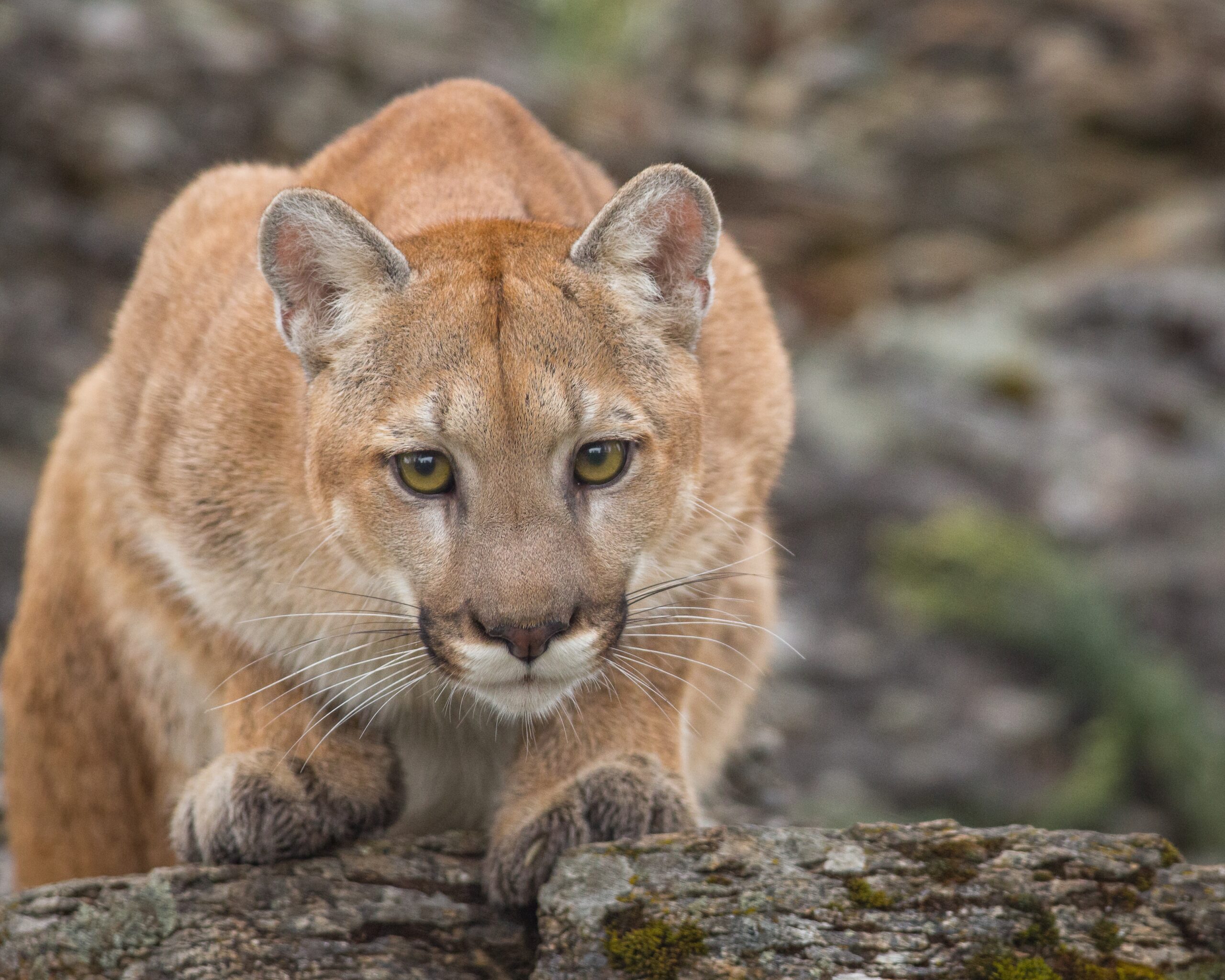
As native apex predators, mountain lions influence how deer move through the landscape. That, in turn, can affect vegetation, stream health, biodiversity, and the resilience of entire ecosystems. When too many lions are removed, ecosystems can change in ways that reach far beyond one species.
Mountain lions may also play an important role in disease dynamics. Chronic Wasting Disease is spreading through ungulate populations across the West. Research indicates that mountain lions often target vulnerable, weakened, or diseased animals, potentially removing infected individuals from the herd. A cougar’s digestive system may also help neutralize infectious tissues that would otherwise persist in the environment. Reducing lion populations may weaken one of the few natural checks that cold help limit disease spread in deer and elk.
What the Mountain Lion Foundation Is Calling For
That is why the Mountain Lion Foundation is calling on Utah to:
- Pause the predator-removal study pending independent scientific review;
- Restore seasonal protections and biological oversight;
- Conduct independent population assessments using peer-reviewed methods; and
- Re-center wildlife governance around long-term ecological evidence.
Building a Public Movement
Utah Wild is also about people.
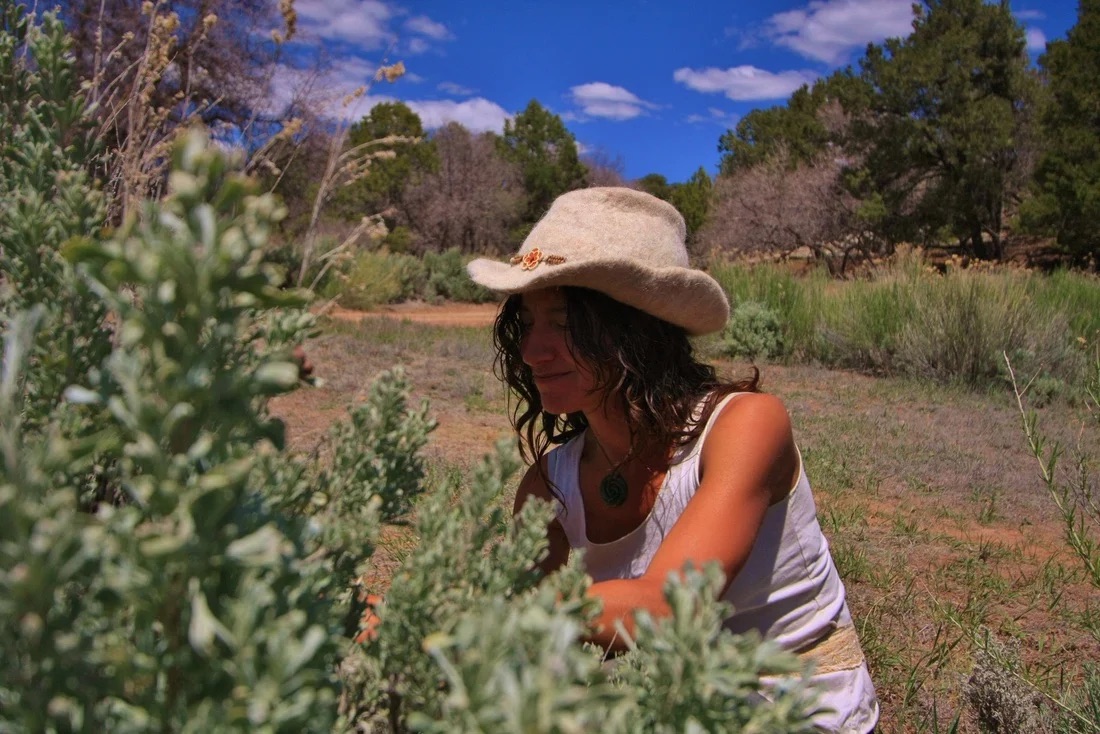
The campaign brings together conservationists, scientists, local residents, hounds men, hunters, ranchers (at least ones who understand the long-term risks), photographers, community leaders, recreation businesses, rural voices, and people who simply believe that native wildlife deserves a fairer future. It is rooted in a simple but powerful belief: wildlife belongs to everyone, and the public has a right to be part of decisions made in its name.
More Than Advocacy
For the Mountain Lion Foundation, this work reflects one of the most important roles we can play: not only advocating mountain lions, but convening the people, science, and strategy needed to defend them.
No single organization, community, or individual can solve these challenges alone. The threats facing mountain lions are complex, political, and deeply tied to how people understand predators. But when local voices, science, storytelling, legal advocacy, and public education come together, the movement becomes more than the sum of its parts.
In the months ahead, Utah Wild will share stories from the people moving this work forward: grassroots advocates organizing community actions, photographers revealing the hidden lives of mountain lions, local residents speaking up at public meetings, and community members finding creative ways to grieve, protest, educate, and inspire.
These stories matter because conservation is not only about policy papers, commission hearings, or litigation. It is also about people reclaiming their voice. It is about a community gathering to bear witness to loss. It is about citizens insisting that wildlife decisions be made transparently, ethically, and with the best available science.
Because of Mountain Lion Foundation supporters, we are able to show up in places like Utah with more than a message. We can bring legal strategy, policy expertise, communications capacity, scientific grounding, and a national platform to support local voices already doing courageous work. We can connect grassroots energy with institutional strength. We can help turn concern into action.
Changing the Story
The future of mountain lions in Utah, and across the country, will not be secured by one policy victory alone. It will depend on changing the story people tell about predators, public power, and coexistence.
More Than Advocacy
For too long, mountain lions have been portrayed as threats to be controlled rather than as native wildlife to be understood and protected. Utah Wild is helping tell a different story: facts over fear, public trust over private interest, and coexistence over conflict.
Together, we can insist that science matters, public voices matter, and mountain lions matter.
That is the promise of Utah Wild, and the promise of the Mountain Lion Foundation’s next chapter.
Changing the Story
Now we need your voice. Visit UtahWild.org to volunteer, share the campaign, and help us build a broad public movement for science, transparency, coexistence, and Utah’s native mountain lions.