A newly disclosed U.S. Fish and Wildlife Service memo could substantially change how one of the nation’s most important wildlife protection laws is enforced.
According to reporting by The New York Times, in a September 16 article, a September 14 internal memo signed by U.S. Fish and Wildlife Service Director Brian Nesvik instructs agency offices to interpret the Endangered Species Act so that accidentally killing or injuring a protected animal would not necessarily constitute an illegal “take.” Under the interpretation described in the memo, a prohibited take would generally require an intentional action directed at a particular animal that directly and immediately affects it.
That represents a consequential change because the Endangered Species Act has long addressed not only deliberate killing of protected wildlife, but also some foreseeable deaths or injuries that occur incidentally during otherwise lawful activities.
What does “take” mean?
The Endangered Species Act makes it unlawful to “take” endangered wildlife. Congress defined “take” broadly to include actions such as harming, harassing, pursuing, hunting, shooting, wounding, killing, trapping or capturing a protected animal.
For decades, that framework has included what is known as incidental take. A development project, road, timber operation or other activity, for example, might be allowed to proceed even if it could unintentionally kill or injure a listed species—but typically only through an authorization process that evaluates the impacts and requires measures to minimize them.
The Supreme Court addressed this question in its 1995 decision Babbitt v. Sweet Home Chapter of Communities for a Great Oregon. The Court upheld the federal government’s interpretation that “harm” could include significant habitat modification that actually kills or injures protected wildlife. The Court also pointed to Congress’s creation of incidental-take permits as evidence that Congress understood ESA’s take prohibition to contemplate that harm to wildlife was not deliberate.
A second major change in just months
The September memo follows another substantial change to ESA regulations.
In July, the Fish and Wildlife Service and National Marine Fisheries Service finalized a rule eliminating the longstanding regulatory definition of “harm.” That rule took effect on September 14. Until this week, the definition of “harm” expressly included significant habitat modification that actually kills or injures wildlife, including by significantly impairing breeding, feeding, or sheltering. The administration argues that the previous definition extended federal authority beyond the language Congress enacted and imposed unnecessary permitting and compliance costs on landowners and businesses. Federal officials have said the ESA continues to prohibit actions that directly injure or kill listed wildlife.
The newly reported memo appears to raise a separate and broader question: Does an unintentional but foreseeable killing itself constitute a prohibited take?
The memo reportedly offers examples. A vessel that accidentally strikes a protected whale would not have “taken” the whale if it was not deliberately targeting the animal; similarly, cutting down a tree containing protected bats would not constitute take unless the purpose of cutting the tree was to kill or capture the bats.
That interpretation is likely to receive close legal scrutiny. In Sweet Home, the Supreme Court rejected an interpretation of “take” that would have required an intent or purpose to harm the animal. At the same time, the legal landscape governing federal agencies changed in 2024 when the Supreme Court’s Loper Bright decision overturned the doctrine requiring courts in some circumstances to defer to agencies’ reasonable interpretations of ambiguous statutes. The administration has cited that decision in reconsidering ESA regulations.
What does this mean for mountain lions?
Most mountain lion populations in the United States are managed primarily under state wildlife law rather than the federal Endangered Species Act, so this interpretation would not directly change most state mountain lion hunting or management regulations.
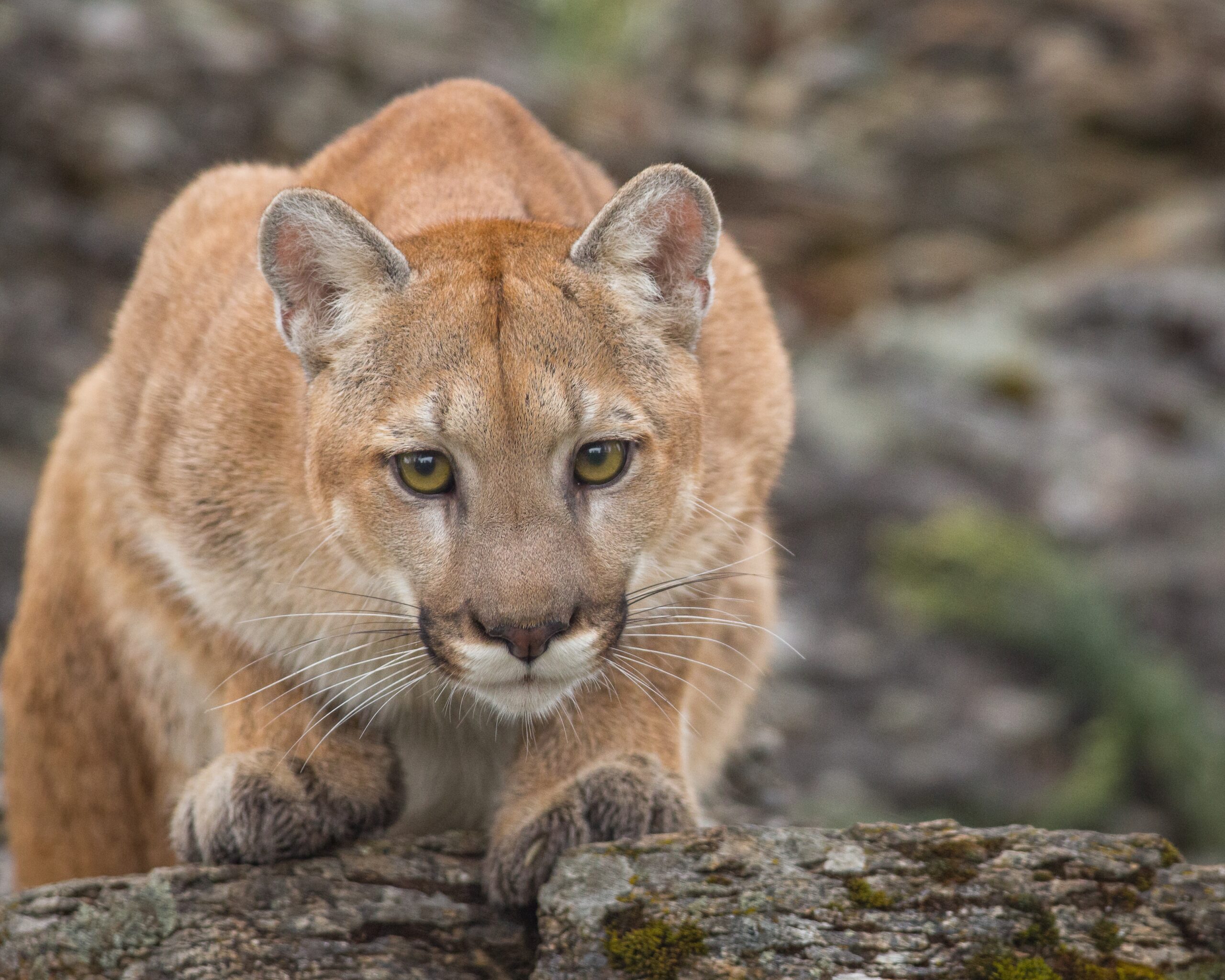
There is, however, an important exception: the Florida panther, a population of Puma concolor, remains federally endangered. That makes changes to how the Endangered Species Act defines and regulates “take” directly relevant to panther conservation. This could be impactful because some of the greatest challenges facing Florida panthers are not deliberate killing, but the consequences of development, habitat fragmentation, and roads across the landscapes they need to survive and expand their range. The ESA’s incidental-take provisions have provided a mechanism for evaluating those impacts and, where take is authorized, requiring measures to minimize and mitigate them. A narrower interpretation of take could therefore affect when those protections are triggered, although exactly how the new directive will be applied remains uncertain.
There is another change worth watching as well. Other free-ranging mountain lions in Florida are currently protected under the ESA because they can be difficult to distinguish from endangered Florida panthers. In 2025, the Fish and Wildlife Service separately proposed eliminating that “similarity of appearance” protection. That proposal has not yet been finalized.
Together, these changes raise important questions about the federal protections surrounding one of the country’s most endangered mountain lion populations.
Beyond mountain lions themselves, the issue matters to the broader landscapes on which they depend. Mountain lions occupy ecosystems shared by numerous federally listed mammals, birds, fish, reptiles, and other species. How the ESA treats habitat alteration, development and incidental wildlife mortality can therefore influence conservation decisions across entire landscapes.
For now, important questions remain about how the September 14 memo will be implemented, how it will interact with the existing incidental-take permitting system, and how courts will interpret the statutory definition of “take.” What is clear is that the meaning of a few words in the Endangered Species Act could have significant consequences for wildlife conservation across the country.
MLF will continue to follow these developments and what they may mean for mountain lions, their habitat, and the ecosystems they help sustain.